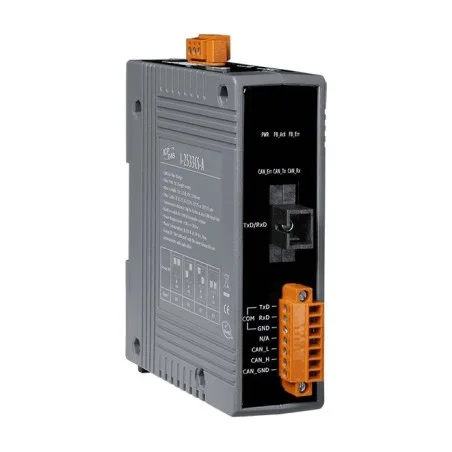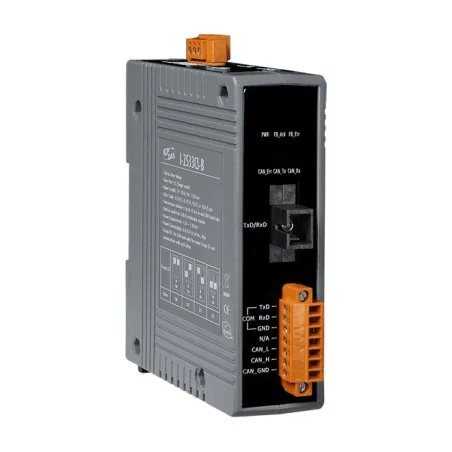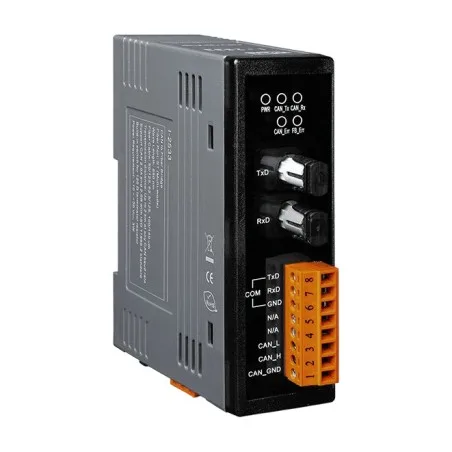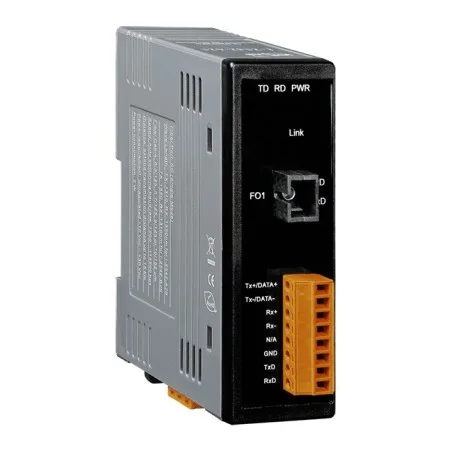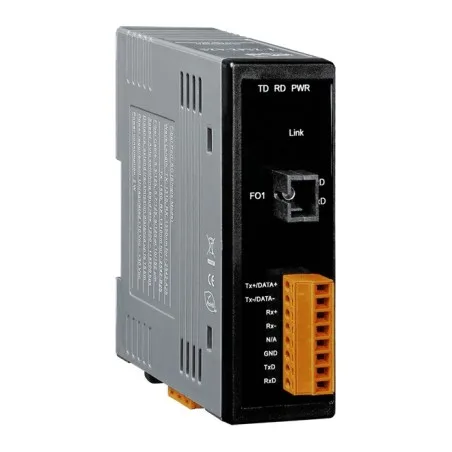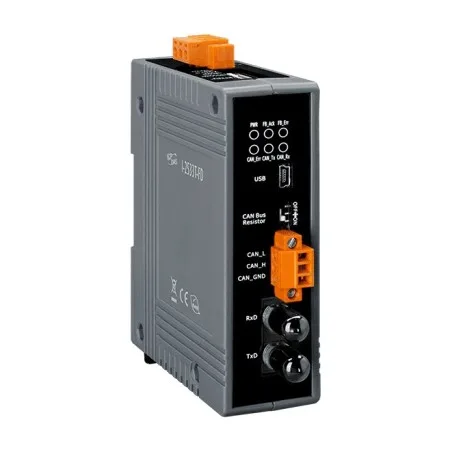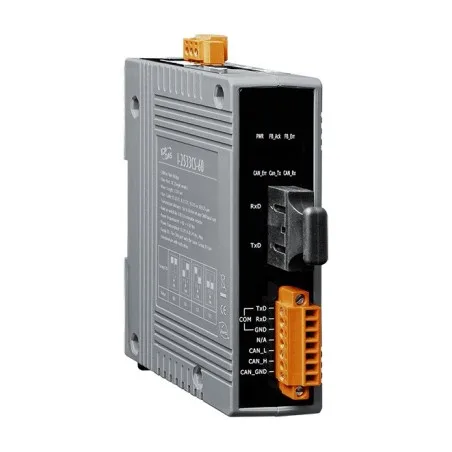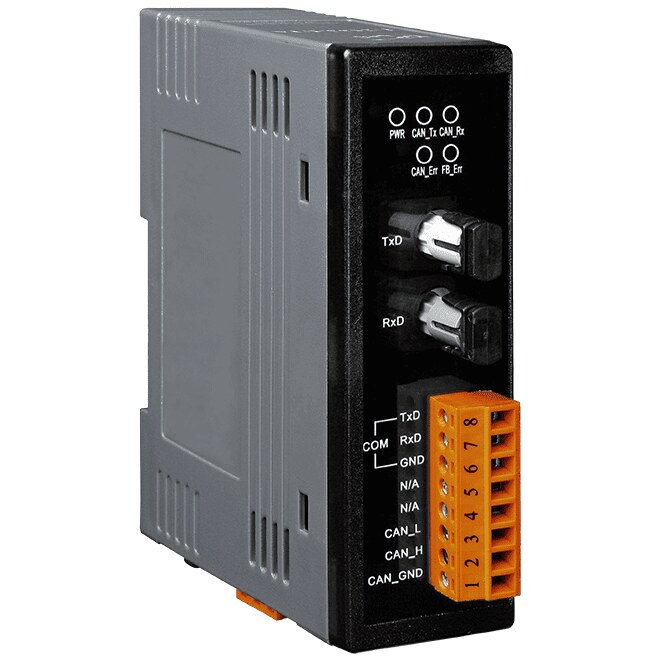
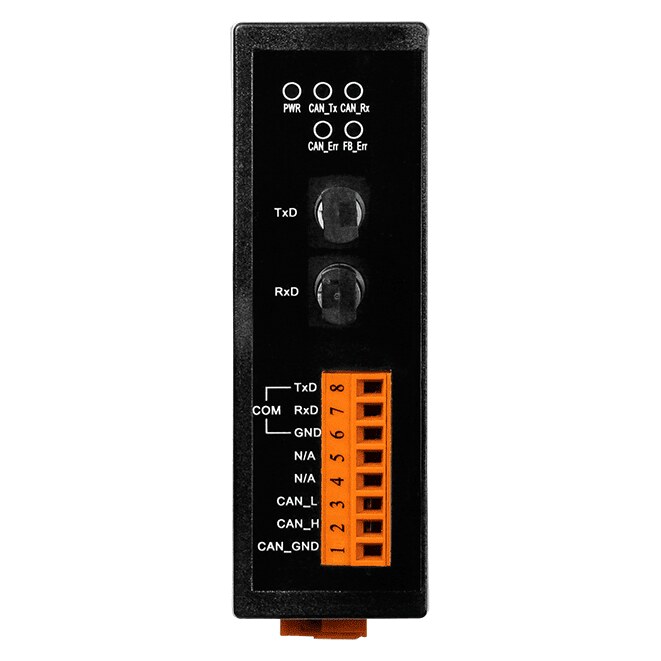
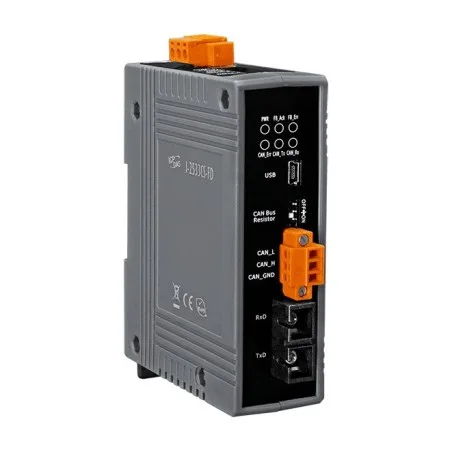
Item number CAN-FIBER-OPTIC-CONVE-2

CAN to Fiber Optic Converter, Multi Mode ST, DIN-Rail

1 x CAN port, ISO-11898-2, 2.0A/B
Baud rate 10k - 1M bps
1 x Fiber port, Multi Mode ST connector
Fiber cable 50/125, 62.5/125 or 100/140um
Wavelength 850nm, up to 2km distance
1 x RS-232 utility port
Isolation 3000VDC / 2500Vrms
Switchable 120 Ohm terminal resistor
DIN-Rail mount, plastic casing
10-30VDC, 3W
-40 to 75C (special components required)
32.3 x 77.5 x 99.0 mm

314.90 €
Excl. VAT
Quantity
On the way in
file_download DOWNLOADS

Specifications

Installation DIN-Rail
Isolation 3000 VDC for DC-to-DC, 2500 Vrms for photo-couple
Operating Temperature 40 ~ +75 °C
Terminal Resistor Switch for 120Ω terminal resistor
Status 1 x Power3 x CAN status1 x Fiber
Ports 1Multi Mode; ST connector x 11 x RS-232 (Utility Port)
Input Range +10 VDC ~ +30 VDC
Consumption 3 W
Dimensions (mm) 32.3 x 77.5 x 99.0 (W x L x H)
Storage Temperature 40 ~ +80 °C
Humidity 10 ~ 90% RH, Non-condensing
Specification ISO-11898-2, CAN 2.0A and CAN 2.0B
Baud Rate 10 k ~ 1 M bps
Casing Plastic
Filter Yes
Fiber Cable 50/125, 62.5/125 or 100/140 μm (62.5/125μm is recommended)
Wavelength 850 nm
Transmission Distance 2 km max (62.5 / 125 μm recommended)
Propagation Delay 250 us (*Note1)

Fiber Optics Converter Module

This fiber optics converter module converts CAN signals into fiber optic transmission and back again. It is used to extend CAN-based networks over longer distances with high noise immunity and galvanic isolation.


CAN 2.0A/B · Multi Mode ST connector · 2 km transmission · DIN-Rail mounting


Robust design and reliable communication

  • Galvanic isolation - 3000 VDC/2500 Vrms protects against noise-borne voltages
  • Fiber optic transmission - immune to electromagnetic interference
  • Switchable terminal resistor - 120 Ohm for correct CAN bus termination
  • Wide operating temperature - stable operation from -40 to +75 C
  • Compact DIN-Rail mounting - easy installation in existing cabinets


Application areas in industrial networks

The module is suitable for industrial applications where CAN signals must be transmitted over long distances or through electrically noisy environments.

  • Extending CAN networks between production facilities
  • Signal transmission in high EMI environments
  • Galvanic separation between system segments
  • Industrial automation and process monitoring


A robust and isolated solution for reliable CAN communication over fiber in demanding industrial environments.