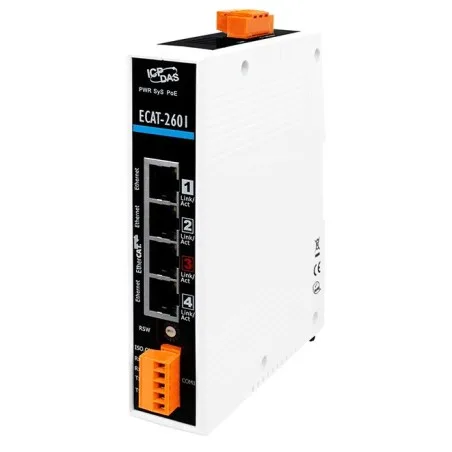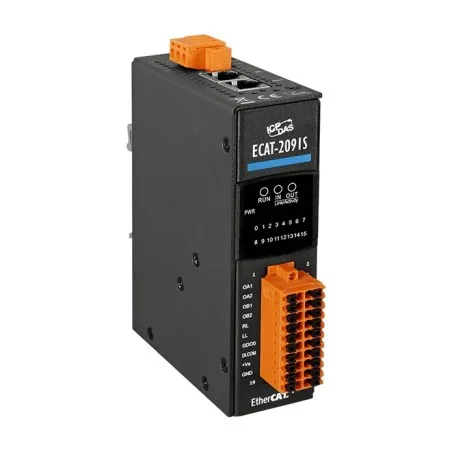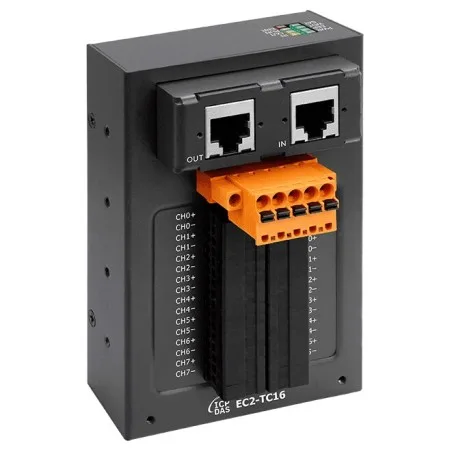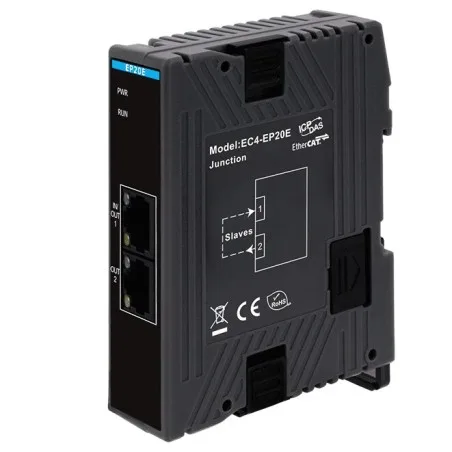
Item number COMPA-ETHER-MASTE-PAC-19

Compact EtherCAT Master PAC with RS-232/422/485, Modbus RTU, DIN-Rail

EtherCAT Master PAC, compact design
1 x RS-232/422/485 port
Modbus RTU slave protocol
2 x RJ-45 Ethernet/EtherCAT
Max. 100m between stations
Cycle time 10 ms
Reverse polarity protection
DIN-Rail mounting, plastic casing
12-48VDC, 0.1A @ 24VDC
-25 to +75C (special components required)
33 x 127 x 99 mm
10-90% RH, non-condensing

384.58 €
Excl. VAT
Quantity
On the way in
file_download DOWNLOADS

Specifications

Installation DIN-Rail
Operating Temperature 25 ~ +75 °C
Ports RJ-45 x 2Distance between Stations: Max. 100 m (100BASE-TX)Data Transfer Medium: Ethernet/EtherCAT Cable (Min. CAT 5e)1 x RS-232/422/485
Input Range +12 VDC ~ +48 VDC
Consumption 0.1 A @ 24 VDC
Dimensions (mm) 33 x 127 x 99 (W x L x H)
Storage Temperature 30 ~ +80 °C
Humidity 10 ~ 90% RH, Non-condensing
Reverse Polarity Protection Yes
Protocol Modbus RTU (Salve)
Casing Plastic
Cycle Time 10 ms
Distributed Clocks N/A

EtherCAT Master PAC

This compact EtherCAT Master PAC is designed to connect industrial devices via the EtherCAT network while supporting Modbus RTU communication. The unit is well suited for automation tasks where reliable data transfer and simple integration are essential.


1 x RS-232/422/485 · Modbus RTU Slave · 2 x RJ-45 · DIN-Rail Mounting


Features that make a difference

  • EtherCAT communication - fast and reliable data exchange between stations
  • Modbus RTU support - easy integration with existing serial equipment
  • Reverse polarity protection - protects against incorrect power connection
  • Wide input voltage range - flexible installation in many environments
  • Compact DIN-Rail design - easy mounting in existing cabinets


Application areas

The product suits industrial environments where reliable communication is required between serial equipment and an EtherCAT network.

  • Factory automation
  • Process monitoring
  • Building automation
  • Machine control


A robust and compact solution for reliable integration of serial equipment into EtherCAT networks.